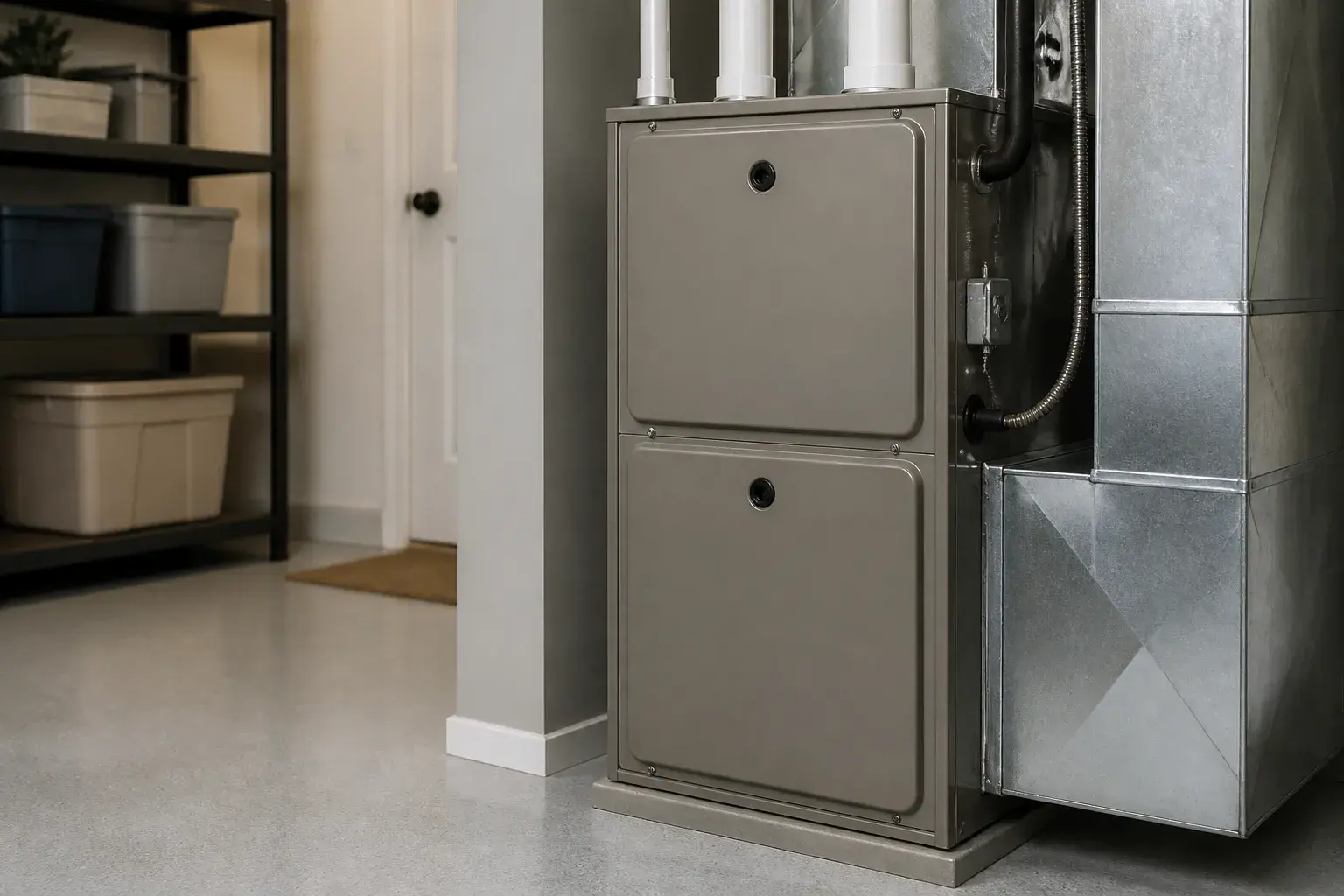
Furnace Repair in Salt Lake City, UT
A failing furnace can leave your home cold, uneven, and hard to trust.
When your furnace starts making strange noises, pushing weak heat, or shutting down before the house warms up, the problem tends to show up at the worst time. You may notice one room feels comfortable while the rest of the house stays cold, or the thermostat keeps calling for heat without much happening. Those are signs something in the system needs attention, and the next step is a careful repair visit that finds the cause instead of guessing.
Northline Heating & Air handles furnace repair for homes across the Salt Lake Valley with a simple goal: figure out what is actually wrong, explain it clearly, and fix it neatly. If your furnace is running but not heating well, short cycling, or producing uneven airflow, we can diagnose the issue and get you back to steady heat with work that is tidy and straightforward.
Warning signs
A furnace rarely stops working without leaving clues first. Paying attention to those clues can help you call before a minor issue turns into a larger breakdown.
- Weak airflow: If the vents are barely pushing air, the issue may be with the blower, filter, or duct connections.
- Short cycling: If the furnace turns on and off too often, it may be overheating, sensing a fault, or struggling to move air properly.
- Odd noises: Rattling, banging, squealing, or humming can point to loose parts, worn components, or motor trouble.
- Uneven rooms: If one part of the house warms up and another stays chilly, the furnace may not be distributing heat the way it should.
- Cold air from vents: Air that never feels warm usually means the system is not igniting correctly or is shutting down too soon.
- Burning or dusty smell: A strong smell that lingers after startup can signal buildup, dirty parts, or a problem that should be checked.
If any of these sound familiar, it is smart to have the furnace looked at before more parts start to wear down.
Common causes
Furnace problems usually come from a small set of issues. Finding the real cause matters because the symptoms can look similar from the outside.
- Dirty or restricted airflow: A clogged filter or blocked airflow can make the furnace overheat, cycle off, or heat weakly.
- Ignition trouble: If the furnace cannot start its burners properly, it may run briefly, shut down, or blow air without heat.
- Blower problems: A motor, belt, or wheel that is worn or stuck can keep heated air from moving through the house.
- Thermostat issues: Sometimes the furnace is not the main problem, and the thermostat is sending the wrong signal or not communicating well.
- Worn safety parts: Sensors and switches are designed to protect the system, but when they fail, the furnace may refuse to keep running.
- Loose electrical connections: Intermittent heat, repeated shutdowns, or a furnace that acts unpredictable can come from wiring or control problems.
At Northline Heating & Air, we look at the full system rather than only the symptom you notice first. That helps us avoid quick guesses and fix the source of the trouble.
How visits work
A good repair visit should feel organized, not confusing. We keep the process simple so you know what is happening and why.
- Listen to the complaint: We start with your description of the problem, including noises, heat loss, cycling, smells, or startup issues.
- Check the system: We inspect the furnace, the visible connections, and the parts that affect operation and airflow.
- Find the fault: We trace the issue to the component or condition causing the problem instead of stopping at the first obvious symptom.
- Explain the fix: We tell you what is wrong in plain language and what needs to happen next.
- Complete the repair: Once the cause is addressed, we test the furnace again to confirm it is operating the way it should.
This approach keeps the visit focused and practical. You get a clearer picture of the problem and a repair that is based on what the furnace actually needs.
What we fix
Furnace repair can involve a range of issues, from simple airflow problems to parts that have worn out over time. Some jobs are quick. Others take more troubleshooting. Either way, the goal stays the same: restore dependable heat and avoid repeat trouble.
Airflow problems
Restricted airflow can make a furnace seem weaker than it is. We look at filters, blower operation, and any visible issues that prevent air from moving through the system correctly.
Startup issues
If the furnace struggles to start or only runs for a short time, the issue may be in the ignition system, sensors, or control components. We track down what is stopping the furnace from staying on.
Noisy operation
A furnace that bangs, rattles, or squeals is usually asking for attention. Noises often point to parts that are loose, worn, or out of alignment.
Uneven heating
If the furnace runs but the house still feels inconsistent, the problem may be tied to output, airflow, or a control issue that needs to be corrected.
Repeated shutdowns
A furnace that keeps stopping on its own may be protecting itself from heat buildup or another fault. We look for the reason behind the shutdown rather than just restarting the unit.
Northline Heating & Air keeps the repair process practical and clean, which matters when the furnace sits in the middle of your home and runs often during the heating season.
When repair makes sense
Not every furnace problem means you need a replacement. In many cases, repair is the right call when the system is still otherwise workable and the issue is limited to one part or one operating problem.
Repair is often the better choice when:
- The issue is isolated: One part has failed, but the rest of the furnace is still in good shape.
- Heat loss is recent: The furnace used to run normally and has only recently started acting up.
- The system is still responding: The furnace powers on, but performance has dropped or become inconsistent.
- The problem is clear: A specific component or control issue can be identified and addressed directly.
If the furnace has multiple recurring problems, repeated shutdowns, or major performance loss, we can help you understand whether repair is still the practical move. That way you can make a decision based on the condition of the equipment, not guesswork.
Maintenance that helps
After a repair, a little routine attention goes a long way. Furnaces tend to run better when airflow stays clear and small issues are caught early.
- Replace the filter regularly: A clean filter helps the furnace breathe and can reduce strain on the blower.
- Keep the area clear: Stored items near the furnace can make access harder and interfere with airflow around the unit.
- Listen for changes: New sounds, longer cycles, or inconsistent heat are early clues that something is changing.
- Do not ignore repeated resets: If the furnace keeps shutting down and restarting, it needs a closer look.
For homeowners around Salt Lake City, steady heating matters most when temperatures drop and the furnace gets used more often. A furnace that receives prompt attention usually has a better chance of avoiding larger breakdowns later.
Common questions
Why is my furnace blowing cold air?
Cold air can come from ignition trouble, short cycling, thermostat confusion, or airflow problems that keep the furnace from completing a full heating cycle.
Why does my furnace keep turning on and off?
Short cycling often means the furnace is overheating, restricted by airflow, or reacting to a failed sensor or control issue.
What causes banging noises when the furnace starts?
A loud bang at startup can point to delayed ignition, loose parts, or a mechanical issue that should be checked before it worsens.
Why is one room warmer than the others?
Uneven heating can happen when the furnace is not moving air well, when output is inconsistent, or when the system has a distribution problem.
Can a furnace still run if a part is failing?
Yes, many furnaces keep operating for a while even as a part wears out, but performance usually drops and the problem can spread if it is left alone.
What should I tell you before a repair visit?
Share the symptoms you notice, when they started, any sounds or smells, and whether the furnace is shutting down, blowing cool air, or heating unevenly.
Local help
Homeowners in Salt Lake City, Sandy, West Jordan, Murray, Draper, and Holladay call for furnace repair when they want a clear explanation and tidy work that gets the heat back on track. Northline Heating & Air repairs furnaces for homes across the area with a straightforward process and practical recommendations.
If your furnace is acting up, the next step is simple: get it looked at before the problem becomes harder to ignore. A careful repair can restore comfort, reduce strain on the system, and help you feel confident that the furnace is ready for the next cold snap.
How We Work
A Simple HVAC Process
Every job starts with a careful look at the equipment and a clear explanation of what comes next.
- 01
Check the System
We look at the equipment, symptoms, and likely cause before suggesting any work.
- 02
Explain Your Options
You get a straightforward explanation of what we found and the choices ahead.
- 03
Complete the Work
We finish the job carefully and leave the area clean.
FAQ
Common HVAC Questions
If you have questions about your heating or cooling system, send us a message and we will help you sort through the options.
How do I know if my furnace needs repair or replacement?
An inspection is the best place to start. We look at the condition of the equipment and explain which option makes the most sense.
Why is my AC running but not cooling well?
Low airflow, refrigerant issues, or a failing part can all cause that problem. A service visit helps identify the cause.
Can a heat pump handle both heating and cooling?
Yes, that is what it is designed to do. We can help with repair, replacement, and maintenance for heat pumps.
Is a maintenance plan worth it?
Regular maintenance can help catch small issues early and keep equipment running more smoothly.
What can improve indoor air quality at home?
Filtration, equipment upkeep, and the right system changes can all help reduce dust and stale air.
Get started
Make Home Comfort Easier
Tell us what your system is doing, and we will help you choose the right next step for repair, replacement, maintenance, or air quality.
Call Today:(801) 555-0132